
HELP’s experts track the latest licensure compliance developments so you don’t have to, bringing you clear, timely insights in one place. Browse our recent updates below, or explore all of our resources in the Resource Hub.
-
When Federal Recognition of Accreditors Changes: Potential Effects on Professional Licensure
A recent Inside Higher Ed article (How Accreditation Changes Could Impact Professional Licensure, August 31, 2026) highlights an accreditation issue that colleges and universities offering…
-

Your Fall Licensure Compliance Checklist
Use this fall licensure compliance checklist to review student locations, update disclosures, catch regulatory changes, and strengthen coordination across campus before the academic year gets…
-

What To Expect When You Join The Bookmark
Learn what to expect when your institution joins The Bookmark, from selecting a membership level to onboarding, training, and ongoing support.
-
Does a Program Meet Licensure Requirements or Is Enrolling Students Possible? Why the Difference Matters
Professional licensure disclosures should distinguish between meeting state educational requirements for licensure and whether students can enroll. Learn why this difference matters for compliance.
-
Beyond the Bookmark: When You Need More Than Licensure Research
Beyond licensure research, HELP provides consulting, curriculum analysis, disclosures, and compliance support to help institutions navigate complex regulations.
-

What Our Members Told Us About The Bookmark
Learn what members value most about The Bookmark, from trusted licensure research and time savings to expert support, and see how their feedback is shaping…
-
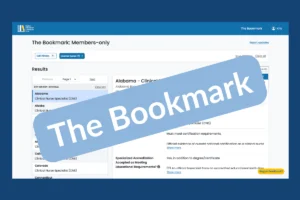
How The Bookmark Team Decides Which License Types to Track
Professional licensure is complex, and maintaining accurate requirements requires ongoing research. Learn how HELP evaluates new license types, balances member demand, and decides what to…
-

Tennessee Pauses New Out-of-State Nursing Programs: What Institutions Need to Know
Tennessee has paused approval of new out-of-state nursing programs through 2028. Learn what the moratorium means for institutions, students, and compliance teams.
-

DYK New York Created a New Pathway for Teacher Licensure?
A newly established New York teacher licensure pathway could reduce barriers for graduates of approved programs in 23 states. Here’s what institutions need to know.
-

Summer Is the Best Time to Strengthen Your Licensure Compliance Process
Summer is the ideal time to strengthen your licensure compliance process before the fall rush begins. Learn practical steps to review disclosures, document determinations, identify…
-

Rethinking Scope and Prioritization in Licensure Compliance
A recent discussion among higher education professionals raised a question we often hear: How should institutions define the scope of licensure compliance, and where should…
-

Your Nursing Compliance Responsibilities Don’t Stop With SARA
If your institution enrolls nursing students across state lines, SARA alone may not cover your compliance responsibilities. This post explains how state nursing boards regulate…